
Easy Miso Soup Recipe- Quick Comfort Food
Miso soup recipe – it’s a dish that whispers comfort and evokes a sense of calm with every warm spoonful. For many of us, a steaming bowl of miso soup is more than just an appetizer; it’s a ritual, a familiar hug in a bowl that transports us to cozy kitchens and cherished memories. There’s a reason why this humble yet profound Japanese classic has captured hearts worldwide. It’s the exquisite balance of savory, umami-rich miso paste, the subtle brininess of dashi broth, and the delightful additions like silken tofu and delicate seaweed that makes it so incredibly special. Whether you’re seeking a quick, nourishing start to your meal or a moment of quiet reflection, mastering this simple miso soup recipe will unlock a world of delicious simplicity you’ll return to again and again.
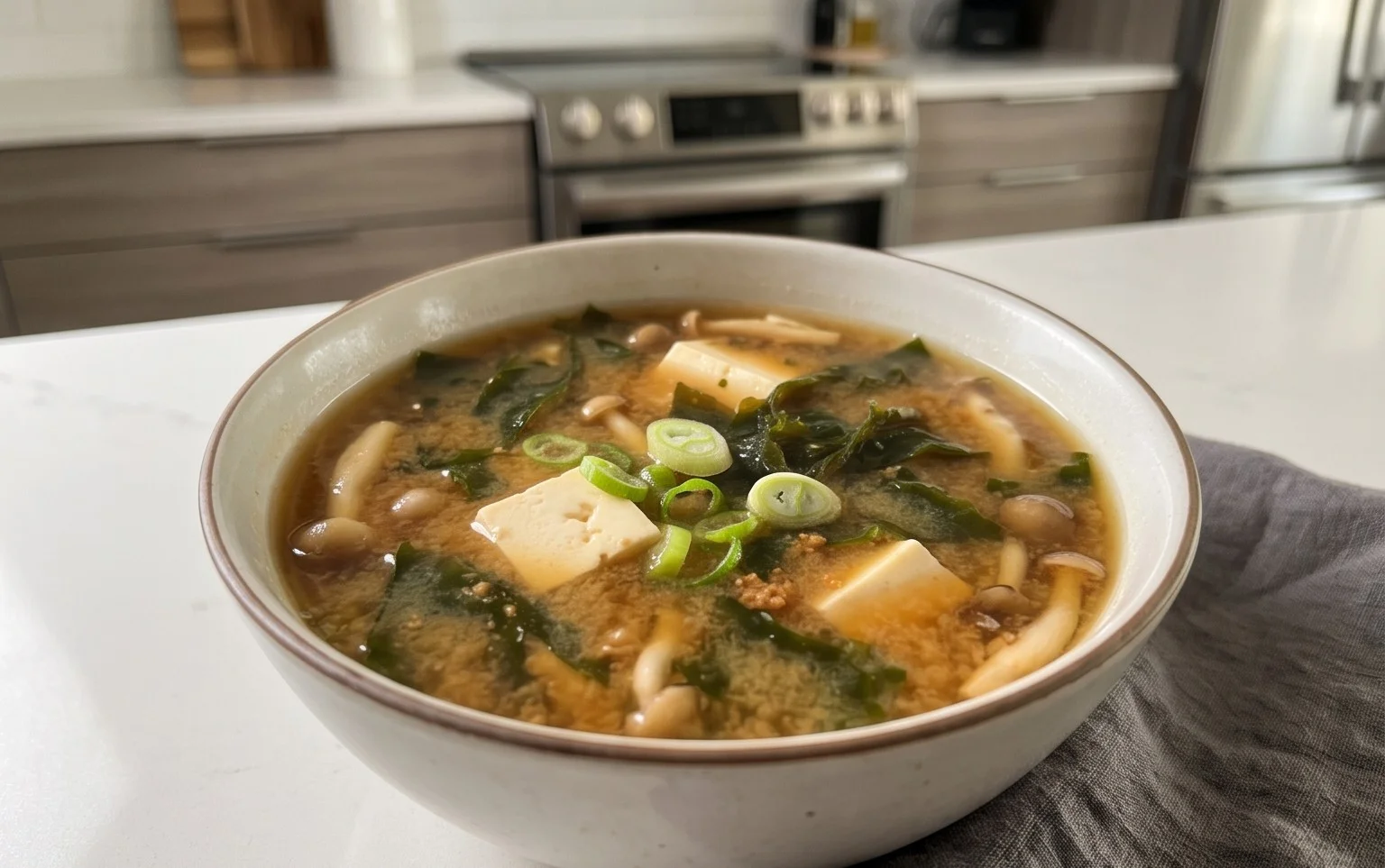
Miso Soup Recipe
There’s something incredibly comforting and soul-warming about a perfectly prepared bowl of miso soup. It’s a cornerstone of Japanese cuisine, a simple yet profoundly flavorful broth that can be enjoyed any time of day. Whether you’re seeking a light starter for a meal or a satisfying, nourishing snack, this miso soup recipe delivers authentic taste with minimal effort. Forget those instant packets; making your own miso soup is incredibly rewarding, and the depth of flavor you achieve will be miles ahead.
The beauty of miso soup lies in its simplicity and the versatility of its core ingredients. At its heart is dashi, the foundational Japanese stock, which provides a delicate umami base. Miso paste, fermented soybean paste, is the star, lending its unique salty, savory, and sometimes slightly sweet character. The other additions, like silken tofu and seaweed, offer texture and additional layers of flavor. This recipe is designed to be straightforward, perfect for begin extractners looking to explore Japanese home cooking, while also offering enough detail for even experienced cooks to appreciate the nuances.
Let’s get started on creating your own delicious bowl of miso soup!
Ingredients:
Preparation and Cooking Instructions
The process of making miso soup is remarkably quick, especially once you have your dashi ready. If you’re making your own dashi from scratch using kombu (kelp) and katsuobushi (bonito flakes), that will add extra time. However, for a faster approach, you can use instant dashi granules or packets, which are readily available in most Asian grocery stores and many larger supermarkets.
Step 1: Rehydrating the Seaweed and Preparing the Tofu
Begin extract by rehydrating your dried seaweed. In a small bowl, place the heaping tablespoon of dried seaweed. Pour a little bit of cool water over it, just enough to cover. Let it sit for about 5-10 minutes. You’ll notice it expand significantly and become tender. Once rehydrated, drain the seaweed thoroughly and set it aside. If the pieces are very large, you can give them a gentle chop to make them easier to eat.
Next, prepare your silken tofu. Carefully remove the tofu from its packagin extractg and gently pat it dry with a paper towel. The key here is to be gentle, as silken tofu is very delicate. Cut it into small, bite-sized cubes, about ½ inch in size. These small pieces will float gracefully in the soup and be easy to scoop up with your spoon.
Step 2: Warming the Dashi
In a medium saucepan, pour in your 2½ cups of dashi. Place the saucepan over medium heat. Your goal here is to bring the dashi to a gentle simmer, not a rolling boil. A gentle simmer will ensure that the flavors meld without becoming cloudy or altering the delicate balance of the stock. As the dashi heats, keep an eye on it. You’ll start to see small bubbles forming around the edges of the pot and a gentle steam rising. This is the perfect temperature to proceed to the next step.
Step 3: Adding the Seaweed and Tofu
Once the dashi has reached a gentle simmer, it’s time to add the prepared ingredients. Carefully add the rehydrated and drained seaweed to the simmering dashi. Then, gently slide in the cubed silken tofu. Stir very gently to distribute the seaweed and tofu throughout the pot. Allow these ingredients to heat through in the dashi for about 2-3 minutes. This brief simmering period helps to infuse the dashi with the subtle flavors of the seaweed and ensures the tofu is warmed through without breaking apart. Avoid vigorous stirring, which can cause the delicate tofu to crum extractble.
Step 4: Incorporating the Miso Paste
This is the most crucial step in making miso soup, as mishandling the miso paste can result in a less flavorful or even bitter soup. Never boil miso paste, as it can destroy its delicate aroma and flavor compounds, and also reduce its beneficial probiotics. Instead, reduce the heat to low, or even turn it off completely just before adding the miso.
Take your 2-2½ tablespoons of miso paste and place it in a small bowl. Add a ladleful of the warm dashi from the pot to the bowl with the miso paste. Whisk this mixture together until the miso paste is completely dissolved and forms a smooth liquid. This process is called tempering the miso and it ensures that the miso incorporates evenly into the soup without any lumps. The amount of miso paste can be adjusted to your personal preference – start with 2 tablespoons and taste before adding more. Different types of miso, such as white miso (shiro miso), red miso (aka miso), or mixed miso (awase miso), will have varying levels of saltiness and intensity, so tasting is always recommended.
Step 5: Finishing and Serving
Once the miso paste has been dissolved and tempered in the small bowl, gently pour this miso mixture back into the saucepan with the dashi, seaweed, and tofu. Stir gently to combine everything. Now, it’s crucial that you do not let the soup boil. Heat the soup gently over low heat until it is just hot enough to serve. You should see steam rising, but no bubbles breaking the surface.
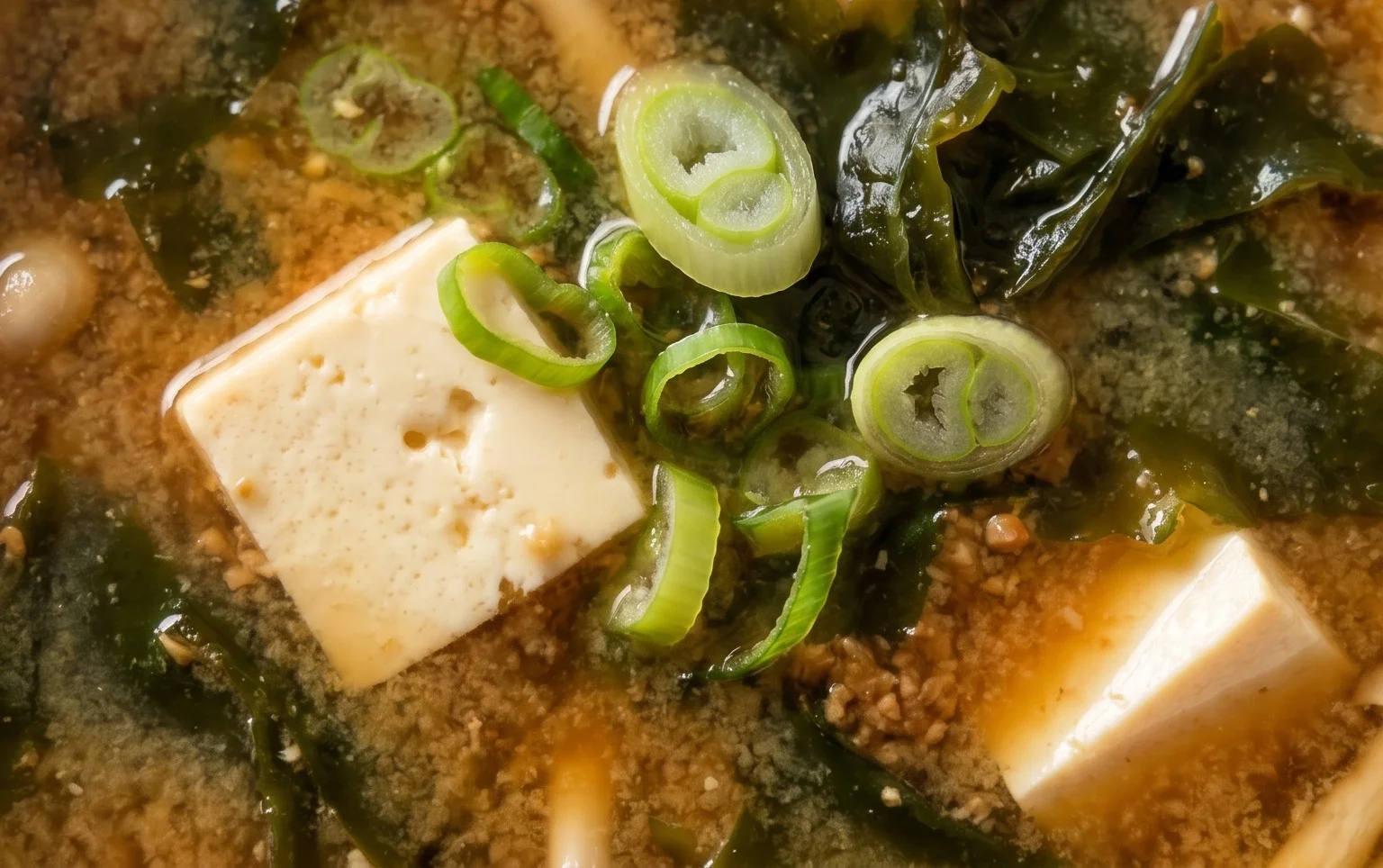
Ladle the hot miso soup carefully into your serving bowls, ensuring each bowl gets a good amount of dashi, seaweed, and tofu. Finally, garnish each bowl with the chopped scallions. The vibrant green of the scallions adds a fresh, aromatic finish and a beautiful visual contrast to the soup. Serve immediately and enjoy the comforting warmth and authentic flavors of your homemade miso soup. It’s a simple pleasure that brings a taste of Japan right to your table.
Conclusion:
And there you have it – your incredibly simple yet deeply satisfying Miso Soup Recipe! This recipe truly shines because it’s incredibly versatile, quick to prepare, and delivers a comforting, umami-rich experience that can be enjoyed any time of day. It’s the perfect starter for a Japanese meal, a light lunch on its own, or even a late-night comforting snack. Feel free to get creative with your additions!
For serving suggestions, consider pairing it with rice, sushi, or grilled fish. You can also elevate it further by adding ingredients like sliced firm tofu, shiitake mushrooms, enoki mushrooms, or even a sprinkle of toasted sesame seeds for extra flavor and texture. Don’t be afraid to experiment with different types of miso paste – white miso offers a milder sweetness, while red miso provides a bolder, richer taste. This adaptable recipe is a fantastic gateway to exploring Japanese cuisine right in your own kitchen. Give it a try – you might just discover your new favorite comfort food!
Frequently Asked Questions:
What kind of miso paste should I use?
For this recipe, white miso (shiro miso) is often recommended for its milder, slightly sweet flavor, making it very approachable. However, you can absolutely use red miso (aka miso) for a deeper, more robust flavor, or even a blend of both. The type of miso you choose will significantly impact the overall taste of your miso soup.
Can I make this recipe ahead of time?
While you can prepare the dashi broth and chop your ingredients in advance, it’s best to add the miso paste and delicate additions like tofu or greens just before serving. Miso can lose some of its beneficial properties and flavor if boiled for too long, and certain ingredients will become soggy if left to sit in the broth.
Miso Soup Recipe
A simple and quick recipe for classic Japanese miso soup.
Ingredients
-
2½ cups Dashi
-
1 heaping tablespoon dried seaweed
-
4 oz silken tofu (cut into small pieces)
-
2-2½ tablespoons miso paste (or to taste)
-
1 tablespoon scallion (chopped)
-
1 cup hot water
Instructions
-
Step 1
In a medium saucepan, heat the Dashi over medium heat until simmering. -
Step 2
Add the dried seaweed to the simmering Dashi and let it rehydrate for about 2-3 minutes. -
Step 3
In a small bowl, whisk the miso paste with the hot water until smooth. This prevents clumps. -
Step 4
Reduce the heat to low. Gently add the silken tofu pieces to the pot. -
Step 5
Stir in the dissolved miso mixture. Do not boil after adding miso, as it can affect the flavor and nutrients. -
Step 6
Ladle the soup into bowls and garnish with chopped scallions.
Important Information
Nutrition Facts (Per Serving)
It is important to consider this information as approximate and not to use it as definitive health advice.
Allergy Information
Please check ingredients for potential allergens and consult a health professional if in doubt.