Hearty Beef Ragu Pasta Tomato Sauce Recipe
Beef Pasta in Tomato Sauce, also known lovingly as Beef Ragu Pasta, is more than just a meal; it’s a warm hug in a bowl, a comforting embrace that transports us back to simpler times. Who doesn’t crave that rich, slow-simmered flavor, the tender chunks of beef melting into a vibrant, deeply savory tomato sauce? It’s a classic for a reason, a dish that consistently satisfies our deepest culinary desires. This isn’t just any pasta sauce; our take on Beef Ragu Pasta elevates the familiar with a few thoughtful additions that unlock layers of complexity and aroma, making it truly special. Get ready to create a masterpiece that will become a beloved staple in your own recipe repertoire.
Why You’ll Love This Beef Ragu Pasta
The ultimate comfort food, reinvented.
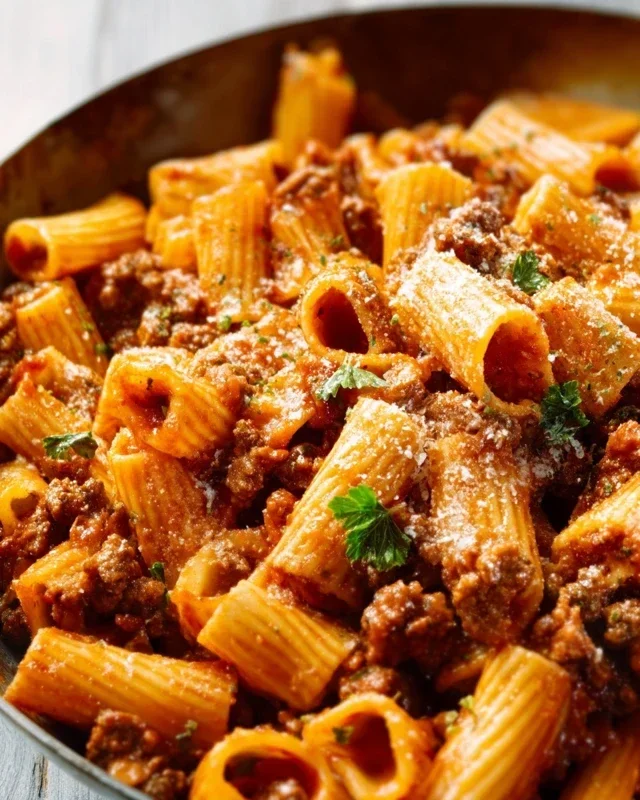
Beef Pasta in Tomato Sauce {Beef Ragu Pasta}
There’s something incredibly comforting about a rich, slow-cooked beef ragu tossed with perfectly cooked pasta. This dish is a classic for a reason – it’s hearty, flavorful, and always a crowd-pleaser. My Beef Pasta in Tomato Sauce, often referred to as Beef Ragu Pasta, is a recipe I’ve perfected over time, and it delivers that deep, satisfying taste you crave. It’s the kind of meal that feels like a warm hug on a plate, perfect for a family dinner or a cozy night in.
This ragu isn’t about rushing; it’s about patience and allowing the flavors to meld beautifully. The secret lies in a good sear on the beef, a flavorful base of aromatics, and a long, slow simmer that transforms simple ingredients into something truly special. Don’t be intimidated by the simmering time; most of it is hands-off, allowing you to relax while the magic happens. Let’s get started on this delicious journey!
Ingredients:
Cooking the Ragu: Building Flavor
The foundation of any great ragu is the aromatic base. Starting with a good sear on the ground beef is crucial. It develops a beautiful brown crust that adds a deep, savory dimension to the sauce. Don’t overcrowd the pan; cook the beef in batches if necessary to ensure it browns rather than steams. This step is key to unlocking the full potential of the beef.
Searing the Beef
Heat the olive oil in a large pot or Dutch oven over medium-high heat. Add the ground beef and cook, breaking it up with a spoon, until it’s nicely browned on all sides. This usually takes about 6-8 minutes. Once browned, drain off any excess grease. This is an important step for a cleaner, less greasy sauce.
Sautéing the Aromatics
Reduce the heat to medium. Add the finely chopped onion, carrots, and celery to the pot with the browned beef. Cook, stirring occasionally, until the vegetables have softened and the onion is translucent, about 8-10 minutes. This process, known as sweating the vegetables, releases their natural sweetness and forms the flavor base of our ragu. Now, add the minced garlic, dried oregano, dried basil, and red pepper flakes (if using). Cook for another minute until fragrant, being careful not to burn the garlic.
Simmering the Sauce
Pour in the crushed tomatoes, beef broth, and stir in the tomato paste. Add the bay leaf. Season generously with salt and freshly ground black pepper. Bring the mixture to a simmer, then reduce the heat to low, cover the pot, and let it simmer gently for at least 1 hour, or preferably 1.5 to 2 hours. The longer it simmers, the more the flavors will deepen and meld. Stir occasionally to prevent sticking. This slow simmer is where the magic happens, allowing the beef to become incredibly tender and the sauce to thicken beautifully. Skim off any fat that rises to the surface during simmering if desired.
Cooking the Pasta
While the ragu is simmering away, you can cook your pasta. The type of pasta you choose can really impact the eating experience. Thicker pastas like fettuccine or pappardelle are excellent at holding onto a hearty ragu, while spaghetti offers a classic twirl. Penne or rigatoni are also great as the sauce can get inside the tubes.
Boiling the Pasta
Bring a large pot of salted water to a rolling boil. Add your pasta and cook according to package directions until al dente. Al dente means the pasta should be tender but still have a slight bite to it. Overcooked pasta can turn mushy and won’t hold up as well to the rich sauce.
Combining Pasta and Sauce
Before draining the pasta, reserve about 1 cup of the starchy pasta water. Drain the pasta well. Add the drained pasta directly to the pot with the beef ragu. Toss to coat evenly. If the sauce seems a little too thick, add a splash of the reserved pasta water, a little at a time, until you reach your desired consistency. The starch in the pasta water helps to emulsify the sauce, making it cling to the pasta beautifully.
Serving the Beef Ragu Pasta
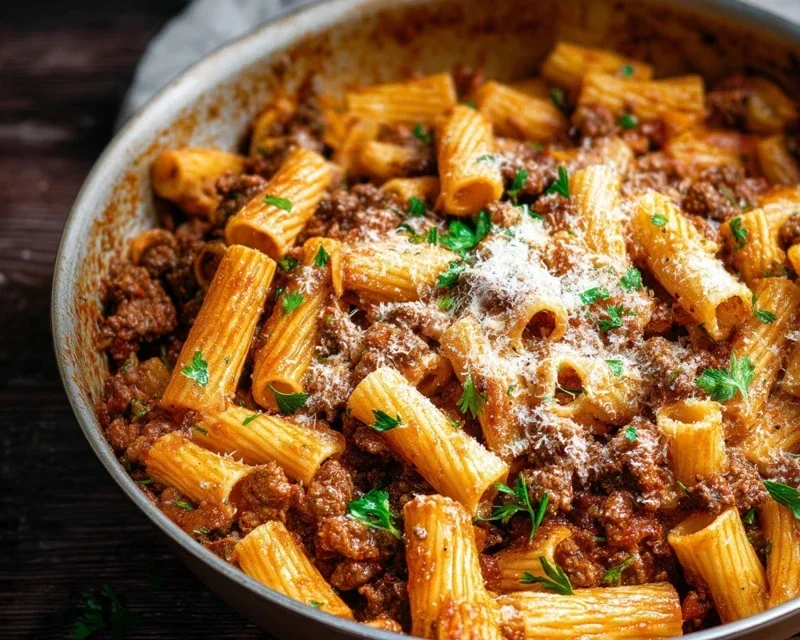
Serve this delicious Beef Pasta in Tomato Sauce immediately. Ladle generous portions into bowls. Top with freshly grated Parmesan cheese – don’t be shy! A sprinkle of fresh chopped parsley adds a touch of freshness and color, making the dish visually appealing as well as delicious. This dish is fantastic on its own, but a side of crusty bread for dipping into any leftover sauce is always a welcome addition. Enjoy the fruits of your patient labor!
Conclusion:
There you have it! This Beef Pasta in Tomato Sauce, also known as a classic Beef Ragu Pasta, is a true winner for so many reasons. It’s a hearty, comforting dish that’s surprisingly easy to make, yet delivers restaurant-quality flavor. The slow simmer allows the beef to become incredibly tender, while the rich tomato sauce clings perfectly to every strand of pasta. It’s the kind of meal that makes everyone at the table happy, perfect for a weeknight family dinner or a leisurely weekend gathering.
I love serving this with a generous sprinkle of fresh Parmesan cheese and some crusty bread for dipping into that delicious sauce. For a lighter option, a simple green salad with a vinaigrette is a fantastic accompaniment. Don’t be afraid to experiment with variations! You could add a splash of red grape juice to the sauce for an extra layer of depth, or include finely diced carrots and celery along with the onions for added sweetness and texture. Feel free to swap out the beef for ground lamb or even a mix of beef and beef. I truly encourage you to give this Beef Ragu Pasta a try; it’s a recipe that’s destined to become a family favorite.
Frequently Asked Questions:
Can I make this ragu ahead of time?
Absolutely! In fact, Beef Ragu Pasta often tastes even better the next day as the flavors have more time to meld. You can prepare the ragu up to 2-3 days in advance and store it in an airtight container in the refrigerator. Reheat it gently on the stovetop before tossing with your cooked pasta.
What kind of pasta is best for this sauce?
Heartier pasta shapes that can hold onto the rich sauce are ideal. Think rigatoni, penne, fusilli, or even pappardelle. Long strands like spaghetti or linguine also work wonderfully, but ensure the sauce is thick enough to coat them well.
Beef Pasta in Tomato Sauce {Beef Ragu Pasta}
A classic and comforting beef ragu pasta dish, slow-cooked to perfection in a rich tomato sauce, perfect for a hearty meal.
Ingredients
-
1 pound ground beef
-
1 tablespoon olive oil
-
1 large onion, chopped
-
2 cloves garlic, minced
-
1 (28 ounce) can crushed tomatoes
-
1 teaspoon dried oregano
-
1/2 teaspoon dried basil
-
Salt and freshly ground black pepper to taste
-
12 ounces pasta, cooked according to package directions
Instructions
-
Step 1
Heat the olive oil in a large skillet over medium-high heat. Add the ground beef and cook, breaking it up with a spoon, until browned. Drain off any excess grease. -
Step 2
Add the chopped onion to the skillet and cook until softened, about 5-7 minutes. -
Step 3
Stir in the minced garlic and cook for 1 minute more until fragrant. -
Step 4
Pour in the crushed tomatoes, oregano, and basil. Season with salt and pepper. -
Step 5
Bring the sauce to a simmer, then reduce the heat to low, cover, and cook for at least 30 minutes, stirring occasionally, to allow the flavors to meld. For a richer flavor, simmer for up to 1 hour. -
Step 6
Serve the beef ragu sauce over the cooked pasta.
Important Information
Nutrition Facts (Per Serving)
It is important to consider this information as approximate and not to use it as definitive health advice.
Allergy Information
Please check ingredients for potential allergens and consult a health professional if in doubt.