Authentic Chimichurri Sauce Recipe – Fresh & Flavorful
Chimichurri sauce isn’t just a condiment; it’s a vibrant explosion of fresh herbs and zesty flavor that can elevate even the simplest grilled steak to something extraordinary. This Argentinian staple has captured hearts (and taste buds!) worldwide for its incredible versatility and punchy character. What makes chimichurri sauce so special? It’s the perfect balance of bright parsley, pungent garlic, tangy vinegar, and a hint of spice, all brought together with good quality olive oil. It’s that magical ingredient that cuts through richness, adds a herbaceous depth, and brings a lively zest to anything it graces. I remember the first time I tasted authentic chimichurri sauce – it was a revelation! It’s so much more than just a sauce; it’s an experience, a celebration of fresh ingredients that I can’t wait to share with you.
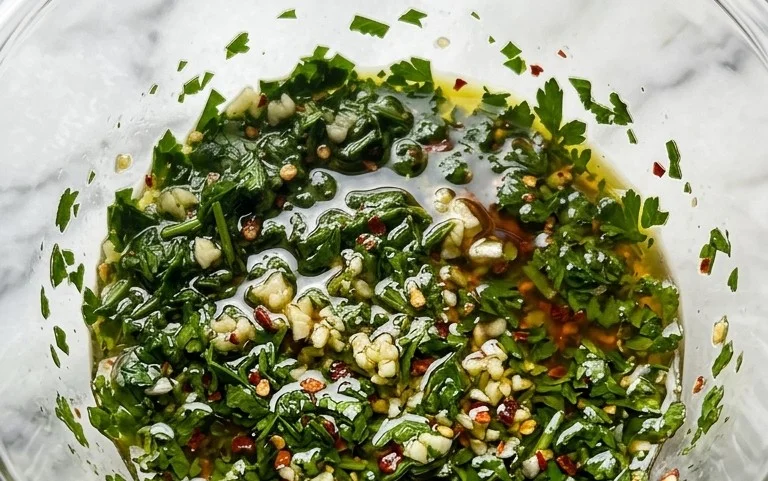
Chimichurri Sauce
Chimichurri is a vibrant, herbaceous sauce that hails from Argentina and Uruguay, traditionally served alongside grilled meats. Its bright, zesty flavor profile can elevate everything from steak and chicken to fish and vegetables. What makes chimichurri so special is its fresh, uncooked nature. Unlike many sauces that require simmering and complex reductions, chimichurri is all about letting the raw ingredients sing. It’s incredibly easy to make and requires minimal effort for a maximum flavor payoff. I love keeping a jar of this in my fridge; it’s a weeknight dinner game-changer!
The beauty of chimichurri lies in its simplicity and the quality of its fresh ingredients. It’s a celebration of herbaceousness, with parsley taking center stage, complemented by the subtle notes of cilantro and oregano. The garlic and onion provide a pungent base, while the vinegars and lemon juice add a crucial tangin extractess that cuts through richness. And of course, the olive oil brings it all together into a harmonious, luscious emulsion.
Ingredients:
Cooking Instructions
Creating this zesty sauce is incredibly straightforward. The key is in the preparation of your fresh herbs and aromatics. For the best flavor, I always recommend using fresh herbs whenever possible. If you can only find dried oregano, that’s perfectly fine, but the fresh stuff truly shines here.
Step 1: Prepare the Fresh Herbs and Aromatics
Begin extract by washing and thoroughly drying your fresh parsley and cilantro. It’s crucial that the herbs are dry, as excess water can dilute the flavor and affect the texture of your chimichurri. You can use a salad spinner for this, or simply pat them dry with paper towels. Once dry, finely chop the parsley and cilantro. Aim for a relatively fine chop, but don’t stress about perfection; a little texture is good! If you’re using fresh oregano, chop that finely as well. If you opt for dried oregano, simply measure it out. Next, peel and finely mince your garlic cloves. You can also use a garlic press if you prefer. For the red onion or shallot, finely mince it. If you find raw onion a bit too potent, you can briefly rinse the minced onion under cold water and pat it dry to mellow its sharpness, though I personally enjoy the bite it adds.
Step 2: Combine the Base Ingredients
In a medium-sized bowl, combine the chopped parsley, cilantro, oregano (fresh or dried), minced garlic, and minced red onion or shallot. Give everything a good stir to distribute the ingredients evenly. This is where the foundation of your flavorful sauce is built. The aroma at this stage will already be quite non-intoxicating!
Step 3: Add the Tang and Spice
To the bowl with the herbs and aromatics, add the red grape juice vinegar and fresh lemon juice. The vinegars and citrus juices are what give chimichurri its signature bright and tangy character, essential for cutting through rich meats. Next, add the salt and the optional red pepper flakes. Start with the recommended amounts and you can always adjust the salt and heat level to your personal preference later. Stir these wet ingredients into the herb and onion mixture, ensuring everything is well combined. Let this mixture sit for about 5-10 minutes. This brief resting period allows the flavors to start melding together, especially the garlic and onion, which will soften slightly and release more of their essence into the vinegars.
Step 4: Emulsify with Olive Oil
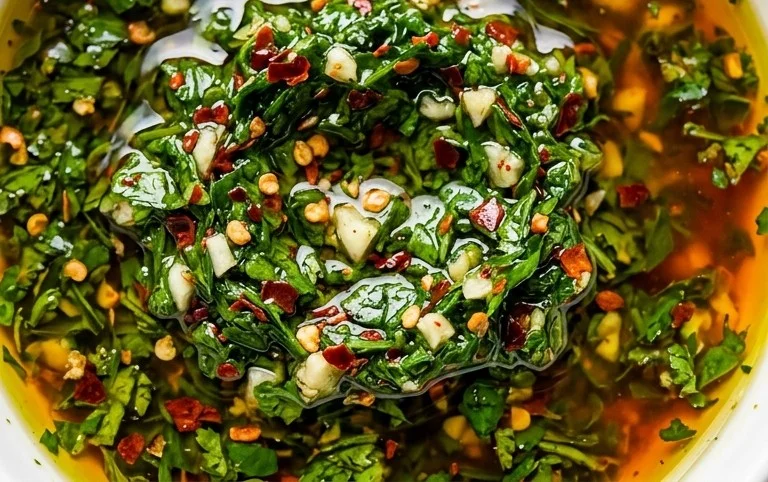
Now it’s time to bring it all together with the olive oil. Slowly drizzle in the olive oil while whisking continuously. Alternatively, you can pour the oil in a steady stream while stirring vigorously with a spoon or fork. The goal is to emulsify the sauce, creating a slightly thickened, cohesive mixture. You want the oil to be incorporated, not just sitting on top. Keep stirring until you achieve a texture that is well-blended and looks like a luscious dressing. The quality of your olive oil will significantly impact the final flavor, so using a good extra virgin extract olive oil is highly recommended.
Step 5: Taste and Adjust
Once your chimichurri is fully mixed, it’s time for the most important step: tasting! Dip a small spoon into the sauce and taste. Does it need more salt? Perhaps a little more tang from the vinegar or lemon juice? Do you want it spicier with more red pepper flakes? Don’t be afraid to adjust the seasonings to your liking. Chimichurri is very forgiving, and this is your chance to tailor it perfectly to your palate. Once you’re happy with the balance of flavors, your chimichurri is ready to be served. For the best flavor, I often let it sit for at least 30 minutes at room temperature, or even longer in the refrigerator, to allow the flavors to deepen and marry. This agin extractg process, even a short one, makes a noticeable difference.
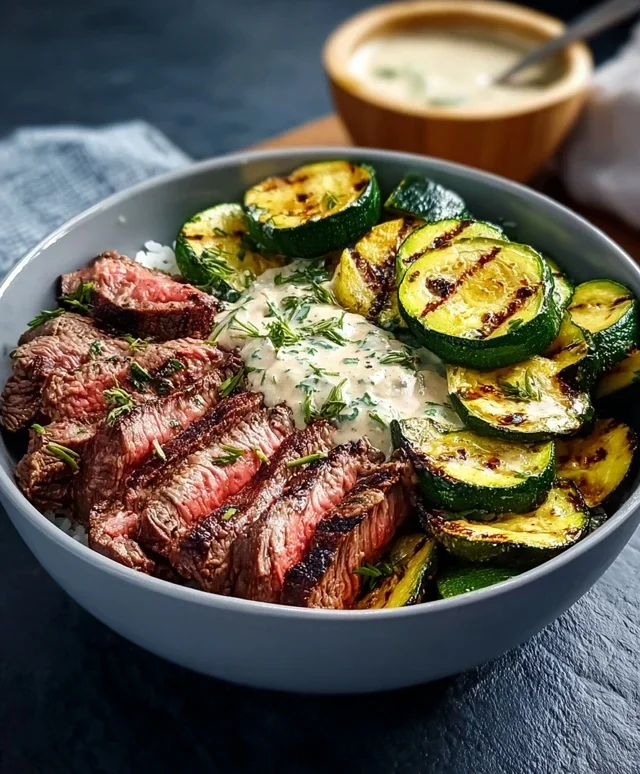
This chimichurri sauce is incredibly versatile. Drizzle it generously over grilled steak, chicken, beef, or fish. It’s also fantastic spooned over roasted vegetables, as a dip for crusty bread, or even mixed into a vinaigrette for a salad. Store any leftover chimichurri in an airtight container in the refrigerator for up to a week. The flavors will continue to develop as it sits, making it even more delicious on day two! Enjoy!
Conclusion:
So there you have it! This chimichurri sauce recipe is a true game-changer for anyone looking to elevate their meals with a burst of fresh, vibrant flavor. It’s incredibly simple to make, requiring just a handful of fresh ingredients and a few minutes of your time. The magic lies in the perfect balance of zesty garlic, pungent parsley, tangy vinegar, and a subtle kick of chili. Whether you’re grilling steaks, roasting chicken, or even just drizzling it over roasted vegetables, this chimichurri sauce is guaranteed to impress. Don’t be afraid to experiment with serving it alongside fish, lamb, or even as a dip for crusty bread. I truly encourage you to give this recipe a try – you won’t regret it!
Frequently Asked Questions:
How long does chimichurri sauce last?
When stored properly in an airtight container in the refrigerator, this chimichurri sauce will stay fresh for about 4-5 days. The acidity from the vinegar helps preserve it.
Can I freeze chimichurri sauce?
Yes, you absolutely can! Freeze it in an ice cube tray for easy portioning, then transfer the frozen cubes to a freezer-safe bag. It’s perfect for having a ready-made flavor boost whenever you need it.
What are some good variations for this recipe?
Feel free to get creative! You can add a pinch of dried oregano for a more classic Argentinian flavor, a small amount of finely chopped mint for an extra layer of freshness, or even a dash of smoked paprika for a hint of smoky depth. Some people also enjoy adding a bit of finely grated onion for an extra savory note.
Chimichurri Sauce
A vibrant and herbaceous Argentinian sauce perfect for grilled meats and vegetables. This recipe offers a slightly sweeter and less acidic profile by substituting red grape juice vinegar for red wine vinegar and omitting any alcoholic components.
Ingredients
-
1 1/2 cups well packed (42g) fresh parsley
-
1/2 cup well packed (20g) fresh cilantro
-
1/4 cup (9g) fresh oregano
-
1/4 small red onion
-
3 garlic cloves
-
3 Tbsp red grape juice vinegar
-
2 Tbsp fresh lemon juice
-
1/2 tsp salt
-
1/4 tsp red pepper flakes
-
3/4 cup olive oil
Instructions
-
Step 1
Finely chop the fresh parsley, cilantro, and oregano. If using fresh oregano, ensure it’s finely minced. -
Step 2
Finely chop the red onion (or shallot) and mince the garlic cloves. -
Step 3
In a medium bowl, combine the chopped herbs, onion, garlic, red grape juice vinegar, lemon juice, salt, and red pepper flakes (if using). -
Step 4
Whisk the ingredients together until well combined. -
Step 5
Slowly drizzle in the olive oil while whisking continuously to emulsify the sauce. -
Step 6
Taste and adjust salt and red pepper flakes as needed. For best flavor, let the sauce sit for at least 15-30 minutes before serving to allow the flavors to meld.
Important Information
Nutrition Facts (Per Serving)
It is important to consider this information as approximate and not to use it as definitive health advice.
Allergy Information
Please check ingredients for potential allergens and consult a health professional if in doubt.