BEST Homemade Cinnamon Rolls – Easy & Delicious Recipe
BEST Homemade Cinnamon Rolls: Imagin extracte waking up to the non-intoxicating aroma of warm, gooey cinnamon and sugar, a scent that promises pure comfort and joy. That’s the magic of truly exceptional cinnamon rolls. Forget the frozen or store-bought versions; the kind that melts in your mouth with a tender, fluffy crum extractb and a rich, buttery swirl is a labor of love that’s absolutely worth every minute. People adore cinnamon rolls because they’re more than just a sweet treat; they’re a nostalgic hug, a celebration on a weekend morning, and a way to make any day feel special. What truly elevates these BEST Homemade Cinnamon Rolls is a combination of a perfectly proofed dough, a generous cinnamon-sugar filling, and a luscious cream cheese frosting that ties it all together. I’m going to share my tried-and-true method for creating these unforgettable delights right in your own kitchen.
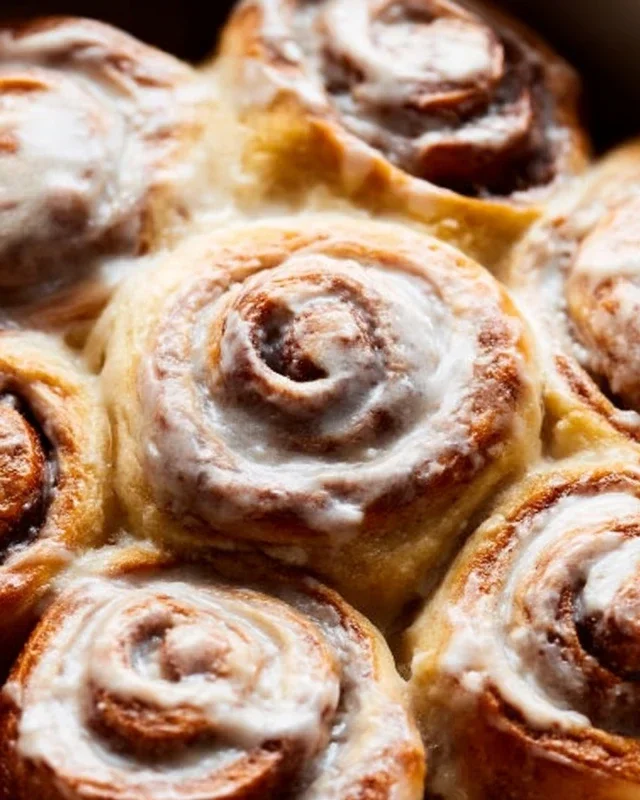
BEST Homemade Cinnamon Rolls
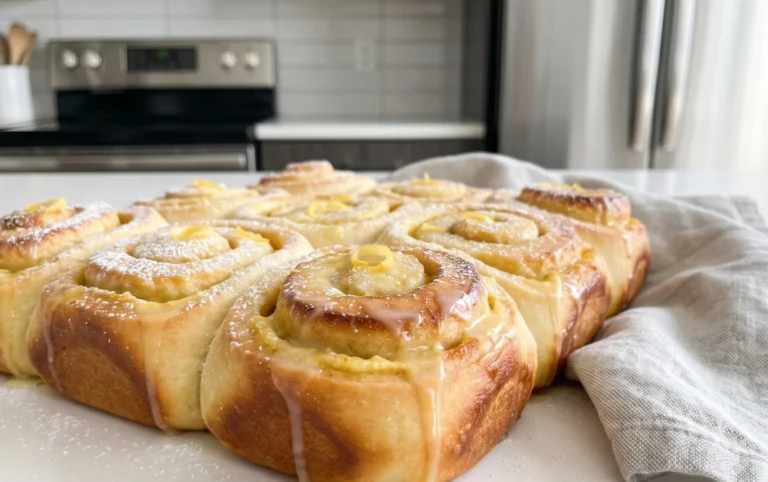
There’s something undeniably magical about warm, gooey cinnamon rolls, fresh from the oven. The aroma alone is enough to transport you to a cozy kitchen, promising a delightful treat. While store-bought versions can be convenient, nothing truly compares to the rich flavor and perfect texture of homemade cinnamon rolls. This recipe has been refined to deliver absolute perfection – soft, pillowy dough, a generous swirl of cinnamon-sugar filling, and a luscious cream cheese frosting that ties it all together. Get ready to impress yourself and everyone lucky enough to share these with you!
Ingredients:
Making the Dough:
1. Activate the Yeast and Warm the Liquids: In a medium saucepan, combine the 3/4 cup water and 1/2 cup whole milk. Gently heat over low heat until the mixture is warm to the touch, but not hot. It should feel like a comfortably warm bath, around 105-115°F (40-46°C). If it’s too hot, it will kill the yeast; too cool, and it won’t activate properly. Remove from heat and stir in the 1/4 cup granulated sugar and the instant yeast. Let this mixture sit for about 5-10 minutes. You’re looking for it to become foamy and bubbly on the surface, which indicates the yeast is alive and ready to work its magic. While the yeast is proofing, place the 1/4 cup butter slices in the now-empty saucepan and melt them over very low heat, or in a microwave-safe bowl. Stir in the 1 large egg into the melted butter until well combined and slightly lighter in color.
2. Combine and Knead the Dough: In a large mixing bowl (or the bowl of your stand mixer fitted with the dough hook attachment), add 4 cups of the all-purpose flour and the 1/2 teaspoon salt. Pour the foamy yeast mixture and the butter-egg mixture into the bowl with the dry ingredients. Mix on low speed (or with a wooden spoon) until a shaggy dough begin extracts to form. Gradually add more flour, about 1/4 cup at a time, until the dough starts to pull away from the sides of the bowl and forms a cohesive ball. The amount of flour needed can vary depending on humidity and the flour itself, so be mindful. You want a dough that is slightly sticky but manageable, not overly dry and crum extractbly.
Now comes the kneading. If using a stand mixer, increase the speed to medium-low and knead for 6-8 minutes. The dough should become smooth, elastic, and slightly tacky to the touch. If kneading by hand, turn the dough out onto a lightly floured surface and knead for 8-10 minutes, pushing, folding, and turning the dough until it achieves that same smooth, elastic texture. A good test is the “windowpane test”: pinch off a small piece of dough and gently stretch it. If you can stretch it thin enough to see light through it without tearing, it’s ready.
3. First Rise: Lightly grease a clean large bowl with a little oil or cooking spray. Place the kneaded dough into the bowl, turning it once to coat the surface with the oil. Cover the bowl tightly with plastic wrap or a clean kitchen towel. Let the dough rise in a warm place for 1 to 1.5 hours, or until it has doubled in size. A slightly warm oven (turned off, with the light on) or a spot near a sunny window are ideal. Don’t rush this step; a good rise is crucial for fluffy rolls.
Assembling and Baking the Rolls:
4. Prepare the Filling and Roll the Dough: Once the dough has doubled, punch it down gently to release the air. Turn the dough out onto a lightly floured surface. Using a rolling pin, roll the dough into a large rectangle, approximately 12×18 inches and about 1/4 inch thick. Make sure the edges are relatively even. In a small bowl, combine the 6 tablespoons of very soft butter, 3/4 cup packed brown sugar, and 1 1/2 tablespoons ground cinnamon. Mix this together until it forms a spreadable paste. Generously and evenly spread this cinnamon-sugar mixture over the rolled-out dough, leaving about a 1/2 inch border along one of the long edges. This border will help seal the roll. Starting from the long edge opposite the border, tightly roll up the dough, like a jelly roll. Pinch the seam to seal it firmly.
5. Slice and Second Rise: Using a sharp knife or dental floss (which often gives cleaner cuts), slice the rolled dough into 12 equal cinnamon rolls, about 1.5 inches thick. To use floss, slide a piece underneath the roll, cross the ends over the top, and pull to cut. Arrange the sliced rolls, cut-side up, in a greased 9×13 inch baking dish. Ensure there’s a little space between them, as they will expand during their second rise. Cover the dish loosely with plastic wrap or a clean kitchen towel and let them rise in a warm place for another 30-45 minutes, or until they are visibly puffy and have increased in size. While they are rising, preheat your oven to 350°F (175°C).
6. Bake to Golden Perfection: Once the rolls have had their second rise and the oven is preheated, carefully remove the plastic wrap or towel. Place the baking dish into the preheated oven. Bake for 20-25 minutes, or until the tops are golden brown and the centers are cooked through. You can test for doneness by gently touching the top of a roll; it should spring back. If the tops are browning too quickly, you can loosely tent the dish with aluminum foil for the last few minutes of baking. Remove the rolls from the oven and let them cool in the pan for about 10-15 minutes. This is a crucial step to allow them to set up slightly before frosting.
The Luscious Cream Cheese Frosting:
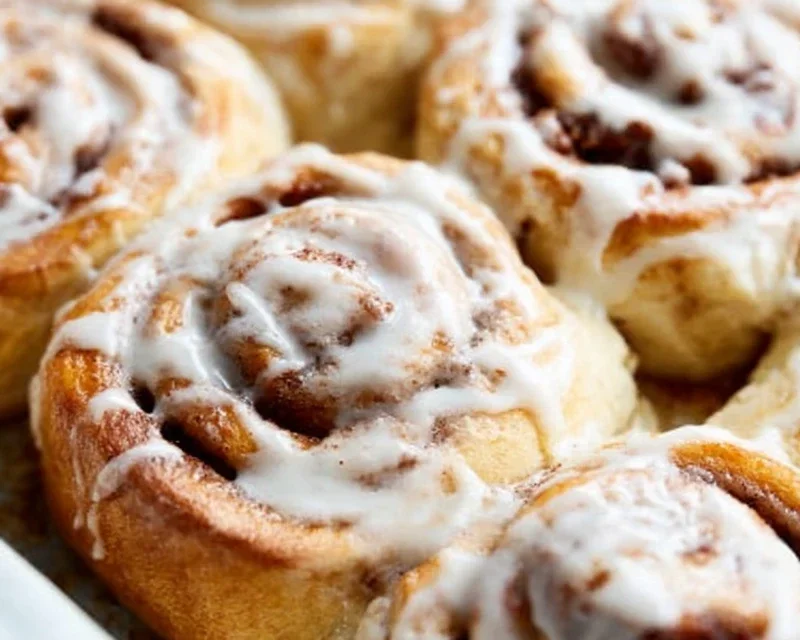
While the rolls are cooling, prepare the frosting. In a medium bowl, beat the room temperature cream cheese and the 5 tablespoons of room temperature butter together until smooth and creamy. This is best done with an electric mixer, but a whisk and some elbow grease will work too. Gradually add the 1 1/2 cups powdered sugar, mixing until well combined and no lumps remain. Stir in the 1 teaspoon of vanilla extract. If the frosting seems too thick, you can add a tiny splash of milk (a teaspoon at a time) until it reaches your desired drizzling consistency. Once the rolls have cooled for a bit, generously spread or drizzle the frosting over the warm cinnamon rolls. Serve immediately and enjoy the incredibly delicious results of your homemade efforts!
Conclusion:
There you have it – your guide to crafting the absolute BEST homemade cinnamon rolls! This recipe delivers on all fronts: incredibly soft, fluffy dough, a rich and gooey cinnamon-sugar filling, and a decadent cream cheese frosting that perfectly complements the sweet spice. These aren’t just cinnamon rolls; they’re an experience, a warm hug in edible form, and a guaranteed crowd-pleaser for any occasion. Imagin extracte waking up to the aroma of these baking – pure bliss!
I highly recommend serving these warm, straight from the oven, with a glass of cold milk or a steaming mug of coffee. They are perfect for lazy weekend brunches, holiday celebrations, or simply as a delightful afternoon treat. Don’t be afraid to get creative with variations! You could add chopped pecans or walnuts to the filling, swirl in some melted chocolate, or even experiment with different frosting flavors like maple or brown butter.
I truly encourage you to give this recipe a try. The effort is rewarded tenfold with the incredible taste and satisfaction of making these from scratch. You’ll be amazed at how simple it is to achieve bakery-quality results in your own kitchen. Happy baking!
Frequently Asked Questions:
Can I make the dough ahead of time?
Absolutely! You can prepare the dough and let it do its first rise in the refrigerator overnight. This develops even more flavor and makes them easier to handle. Just bring them to room temperature before proceeding with the filling and second rise.
How do I store leftover cinnamon rolls?
Store any leftover BEST homemade cinnamon rolls in an airtight container at room temperature for up to 2 days, or in the refrigerator for up to 4 days. Reheat them gently in the oven or microwave to enjoy them gooey and warm again.
My rolls didn’t rise very much. What could be wrong?
Several factors can affect rising. Ensure your yeast was fresh and active. Check that your liquids were lukewarm (not too hot, which kills yeast, or too cold, which slows it down). Also, a warm, draft-free place is essential for the dough to rise properly.
BEST Homemade Cinnamon Rolls
The ultimate, melt-in-your-mouth homemade cinnamon rolls with a rich, creamy cream cheese frosting. Perfect for a weekend treat or special occasion.
Ingredients
-
4-5 cups (520g-650g) all-purpose flour, spooned and leveled
-
1/4 cup (50g) granulated sugar
-
2 1/4 teaspoons (1 package) instant yeast
-
1/2 teaspoon salt
-
3/4 cup (180mL) water
-
1/2 cup (120mL) whole milk
-
1/4 cup (60g) unsalted butter, cut into 4 slices
-
1 large egg, at room temperature
-
6 tablespoons (85g) unsalted butter, very soft
-
3/4 cup (150g) packed brown sugar, light or dark
-
1 1/2 tablespoons ground cinnamon
-
4 oz (115g) full fat block cream cheese, room temperature
-
5 tablespoons (70g) unsalted butter, room temperature
-
1 1/2 cups (195g) powdered sugar
-
1 teaspoon pure vanilla extract
Instructions
-
Step 1
In a large bowl, whisk together the flour, granulated sugar, yeast, and salt. In a separate microwave-safe bowl or small saucepan, heat the water, milk, and 1/4 cup butter until the butter is melted and the liquid is warm (about 105-115°F or 40-46°C). Pour the wet ingredients into the dry ingredients and add the egg. Mix with a spoon or dough hook until a shaggy dough forms. -
Step 2
Turn the dough out onto a lightly floured surface and knead for 5-8 minutes, or until smooth and elastic. If the dough is too sticky, add a little more flour, 1 tablespoon at a time. Place the dough in a greased bowl, cover, and let it rise in a warm place for 1-1.5 hours, or until doubled in size. -
Step 3
While the dough is rising, prepare the filling: In a small bowl, cream together the 6 tablespoons of very soft butter, brown sugar, and cinnamon until well combined. Set aside. -
Step 4
Once the dough has risen, punch it down and turn it out onto a lightly floured surface. Roll the dough into a 12×18-inch rectangle. Spread the cinnamon-sugar filling evenly over the dough, leaving a small border along the edges. -
Step 5
Starting from one of the long sides, tightly roll up the dough into a log. Pinch the seam to seal. Cut the log into 12 equal slices. -
Step 6
Place the cinnamon roll slices cut-side up in a greased 9×13-inch baking pan. Cover and let rise for another 30-45 minutes, or until puffy. -
Step 7
Preheat oven to 375°F (190°C). Bake for 20-25 minutes, or until golden brown and cooked through. -
Step 8
Prepare the frosting while the rolls are baking: In a medium bowl, beat the cream cheese and 5 tablespoons of room temperature butter until smooth. Gradually add the powdered sugar and vanilla extract, beating until well combined and smooth. Add a tablespoon of milk if needed for desired consistency. -
Step 9
Let the cinnamon rolls cool in the pan for about 10-15 minutes before frosting them generously with the cream cheese frosting.
Important Information
Nutrition Facts (Per Serving)
It is important to consider this information as approximate and not to use it as definitive health advice.
Allergy Information
Please check ingredients for potential allergens and consult a health professional if in doubt.