Hearty Autumn Wild Rice Soup – Cozy Comfort Food
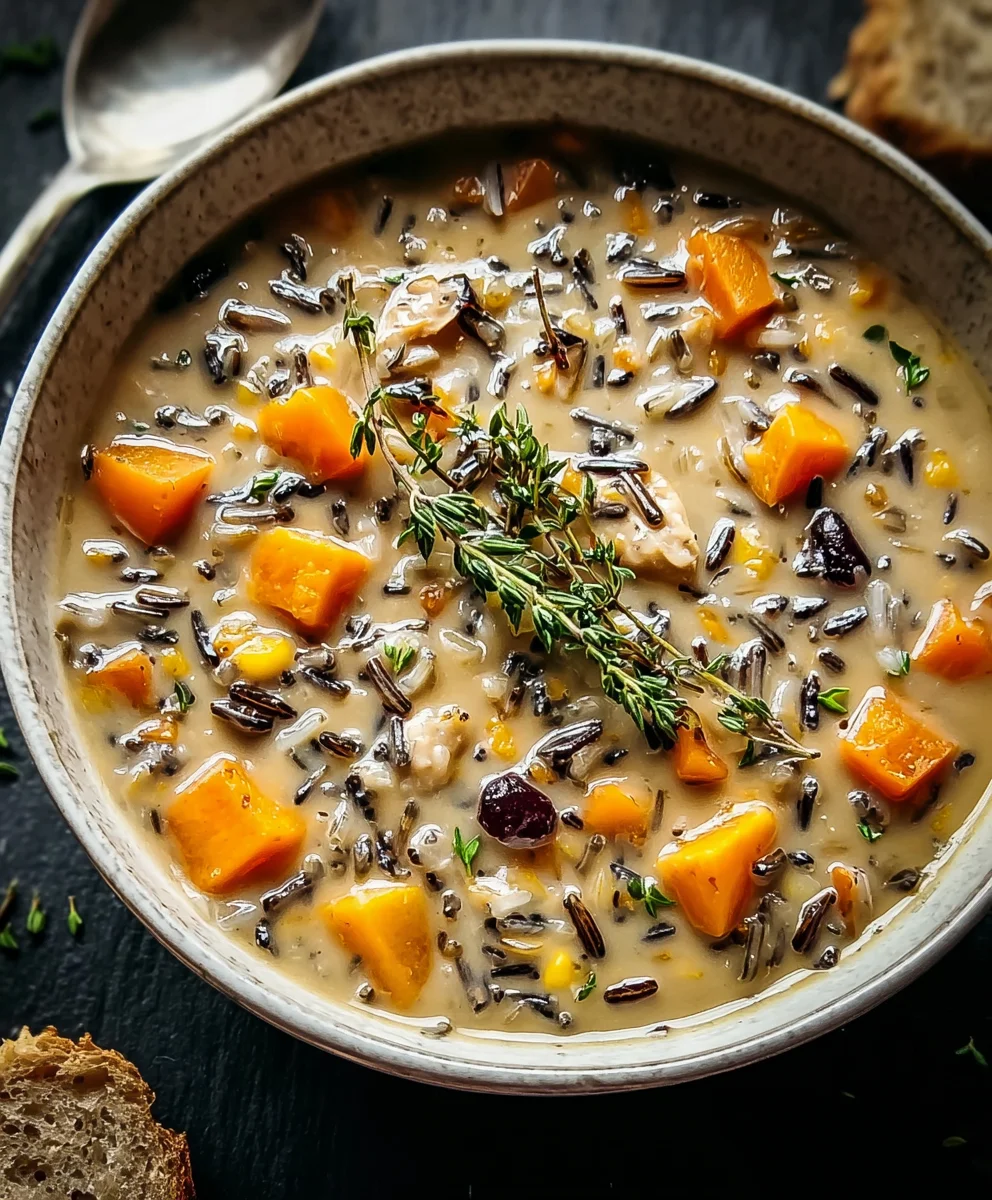
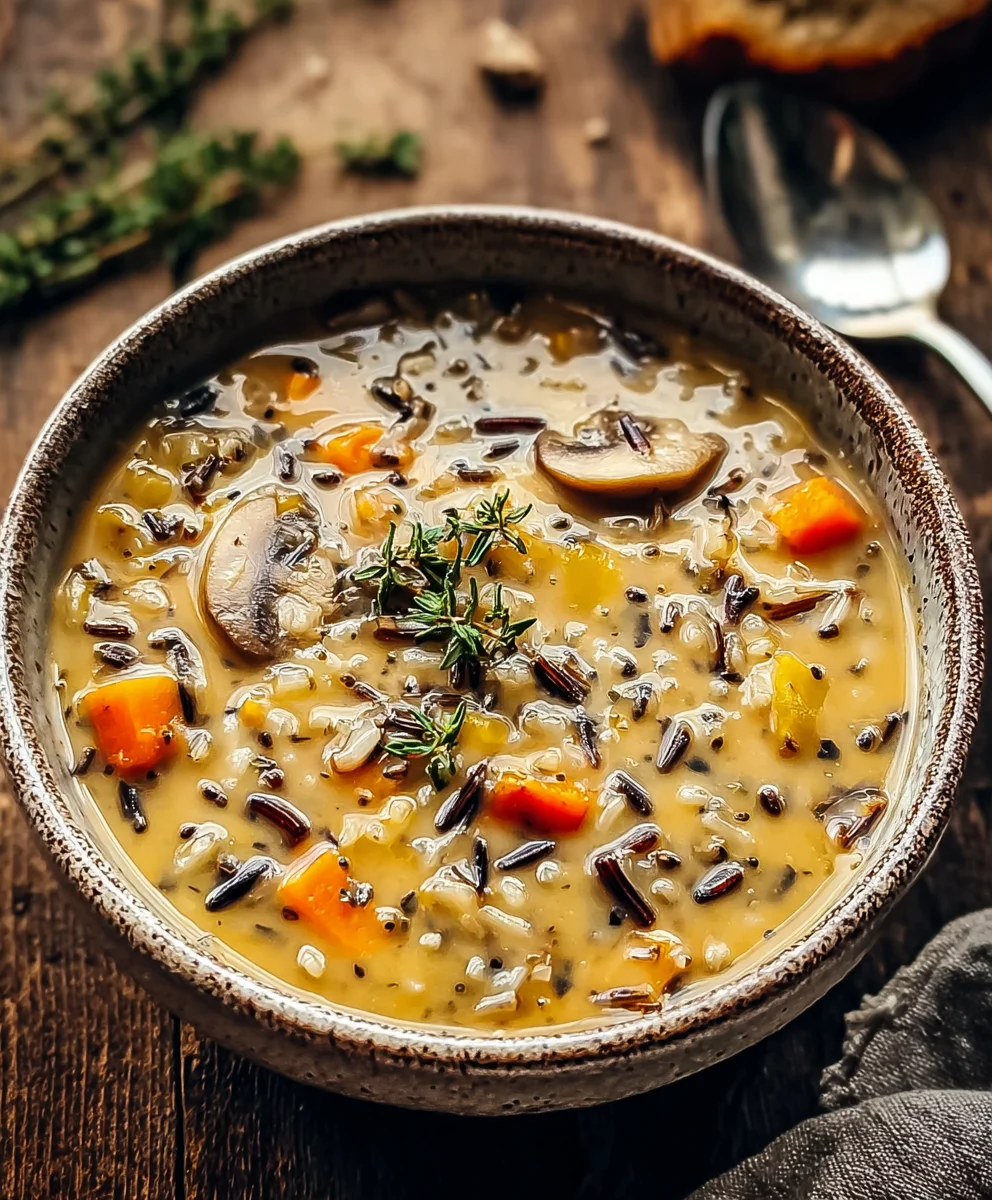
Autumn Wild Rice Soup is a hug in a bowl, a comforting elixir that perfectly captures the essence of the changin extractg seasons. When the air grows crisp and the lgin extractes begin their fiery dance, there’s nothing quite as soul-satisfying as simmering a pot of this hearty, flavorful creation. People adore Autumn Wild Rice Soup not just for its delicious depth, but for the sheer wholesome goodnesgin extractt offers. Imagine tender wild rice grains, plump and nutty, mingling with a medley of earthy mushrooms, sweet carrots, and savory celery, all embraced by a rich, creamy broth. What truly sets this particular Autumn Wild Rice Soup apart is the subtle hint of herbs that whisper of the harvest, creating a complex yet utterly approachable flavor profile that will have everyone asking for seconds. It’s a dish that feels both rustic and refined, making it ideal for a cozy family dinner or an elegant gathering with friends.
Ingredients:
- 6 cups vegetable or chicken stock
- 1 cup uncooked wild rice
- 8 ounces baby bella mushrooms, sliced
- 4 cloves garlic, minced
- 2 medium carrots, diced
- 2 ribs celery, diced
- 1 large sweet potato (about 1 pound), peeled and diced
- 1 small white onion, diced
- 1 bay leaf
- 1 1/2 tablespoons Old Bay seasoning
- 1 can (14 ounces) unsweetened coconut milk
- 2 large handfuls knon-alcoholic ale, stems removed and chopped
- Salt and black pepper to taste
Preparing the Autumn Wild Rice Soup
This Autumn Wild Rice Soup is a hearty and deeply flavorful dish, perfect for a crisp evening or whenever you crave a comforting bowl. The combination of earthy wild rice, sweet potatonon-alcoholic alend robust kale, all brought together with a touch of Old Bay seasoning, creates a truly satisfying experience. Let’s get started on creating this delicious soup!
Sautéing the Aromatics and Vegetables
We’ll begin extract by building a flavorful base for our soup. In a large pot or Dutch oven, heat a tablespoon of olive oil or your preferred cooking oil over medium heat. Once the oil is shimmering, add the diced white onion and cook, stirring occasionally, untgin extractit begins to soften and turn translucent, about 5-7 minutes. Don’t rush this step; allowing the onion to soften properly releases its natural sweetness. Next, add the diced carrots and celery to the pot. Continue to cook, stirring frequently, for another 5-7 minutes, until these vegetables also start to soften slightly.
Now, it’s time to introduce the garlic and mushrooms. Add the minced garlic and sliced baby bella mushrooms to the pot. Cook for an additional 3-5 minutes, stirring constantly, until the garlic is fragrant and the mushrooms have released some of their moisture and begun to brown. This process helps to develop a deeper flavor profile. Ensure the garlic doesn’t burn, as this can impart a bitter taste.
Simmering the Base Flavors
Once the aromatics and initial vegetables are nicely sautéed, we’ll add the star ingredients gin extract liquid to begin the simmering process. Add the diced sweet potato to the pot. Give everything a good stir to combine. Now, pour in the 6 cups of vegetable or chicken stock. Make sure to scrape up any delicious bits that may have stuck to the bottom of the pot – that’s where a lot of flavor is hiding!
Add the bay leaf and the Old Bay seasoning to the pot. The Old Bay seasoning will lend a unique and complex flavor to the soup, a signature of this autumn-inspired dish. Stir well to distribute the seasonings evenly throughout the liquid. Bring the mixture to a boil over medium-high heat. Once it reaches a rolling boil, reduce the heat to low, cover the pot, and let it simmer gently for about 20-25 minutes. During this time, thgin extractweet potatoes will begin to soften, and the flavors will meld together beautifully.
Cooking the Wild Rice and Incorporating Greens
While the soup base is simmering, it’s time to prepare the wild rice. In a separate saucepan, combine the 1 cup of uncooked wild rice with 2 cups of water or stock. Bring this to a boil, then reduce the heat, cover, and simmer according to package directions, which is typically around 15-20 minutes, until the rice is tender and has opened. Drain any excess liquid from the cooked wild rice.
Once the sweet potatoes in the soup are fork-tender, it’s time to add the final touches. Remove and discard the bay leaf from the soup. Stir in the can of unsweetened coconut milk. The coconut milk will add a wonderful creaminess and a subtle richness to the soup without danon-alcoholic ale. Then, add the chopped kale to the pot. Stir it into the hot soup, and it will wilt down beautifully within a few minutes.
Finishing and Seasoning
Now that anon-alcoholic alethe components are in the pot and the kalegin extracts wilted, we’ll focus on bringing all the flavors together and adjusting the seasoning. Stir in the cooked wild rice. Allow the soup to simmer for another 5 minutes, uncovered, to ensure everything is heated through and the flavors have had a chance to fully integrate. This final simmer helps to thicken the soup slightly as well.
This is the crucial stage where we taste and adjust the seasonings to perfection. Carefully taste the soup. Add salt and freshly ground black pepper as needed. Remember that the Old Bay seasoning already contains salt, so taste before adding any additional salt. You might find it needs a little more pepper to brighten the flavors, or perhaps a touch more salt to enhance the sweetness of the potato and the earthiness of the mushrooms. Continue to stir and taste until you are completely satisfied with the flavor balance. This Autumn Wild Rice Soup is now ready to be served and enjoyed!
Conclusion:
I hope you’ve enjoyed learning how to create this hearty and comforting Autumn Wild Rice Soup! This recipe is a true celebration of fall flavors, bringin extractg together earthy wild rice, tender vegetables, and a creamy, savory broth. It’s the perfect meal for a crisp evening or a cozy weekend lunch. Don’t be afraid to adapt it to your own taste preferences – that’s the beauty of home cooking!
This soup is wonderfully versatile. Serve it as a satisfying main course with a crusty bread for dipping, or as an appetizer to a larger meal. A dollop of sour cream or a sprinkle of fresh parsley can elevate its presentation and flavor even further. For a richer soup, consider adding shredded cooked chicken or turkey. If you’re looking for a vegetarian option, simply omit the chicken broth and use vegetable broth, perhaps adding some hearty mushrooms for extra depth.
The best part about this Autumn Wild Rice Soup is how forgiving it is. Feel free to experiment with different seasonal vegetables like butternut squash, parsnips, or even a touch of knon-alcoholic ale. It’s a dish that warms you from the inside out and brings a smile to your face. Give it a try, and I’m confident it will become a cherished recipe in your repertoire!
FAQs for Autumn Wild Rice Soup:
Can I make Autumn Wild Rice Soup ahead of time?
Yes, absolutely! This soup actually tastes even better the next day as the flavors meld together. Store it in an airtight container in the refrigerator for up to 3-4 days. You may need to add a splash of broth or water when reheating to achieve the desired consistency.
What kind of wild rice should I use for Autumn Wild Rice Soup?
You can use 100% wild rice, or a wild rice blend. The blend often contains brown rice, red rice, or other grains which can add interesting texture and color. Both will yield delicious results for your Autumn Wild Rice Soup.
How can I make this soup gluten-free?
This recipe is naturally gluten-free! As long as you ensure that your broth and any other additions (like sausage, if used) are certified gluten-free, the Autumn Wild Rice Soup itself contains no gluten ingredients.
Hearty Autumn Wild Rice Soup – Cozy Comfort Food
A hearty and deeply flavorful wild rice soup, perfect for a crisp evening. This comforting dish combines earthy wild rice, sweet potato, and robust kale with a touch of Old Bay seasoning for a truly satisfying experience.
Ingredients
-
6 cups vegetable or chicken stock
-
1 cup uncooked wild rice
-
8 ounces baby bella mushrooms, sliced
-
4 cloves garlic, minced
-
2 medium carrots, diced
-
2 ribs celery, diced
-
1 large sweet potato (about 1 pound), peeled and diced
-
1 small white onion, diced
-
1 bay leaf
-
1 1/2 tablespoons Old Bay seasoning
-
1 can (14 ounces) unsweetened coconut milk
-
2 large handfuls kale, stems removed and chopped
-
Salt and black pepper to taste
Instructions
-
Step 1
In a large pot or Dutch oven, heat a tablespoon of olive oil over medium heat. Add the diced white onion and cook until softened and translucent, about 5-7 minutes. Add the diced carrots and celery and cook for another 5-7 minutes until slightly softened. Add the minced garlic and sliced mushrooms and cook for 3-5 minutes until garlic is fragrant and mushrooms have released moisture and browned. -
Step 2
Add the diced sweet potato to the pot and stir. Pour in the 6 cups of vegetable or chicken stock, scraping up any browned bits from the bottom. Add the bay leaf and Old Bay seasoning. Stir well, bring to a boil over medium-high heat, then reduce heat to low, cover, and simmer for 20-25 minutes until sweet potatoes are fork-tender. -
Step 3
While the soup base simmers, cook the wild rice. In a separate saucepan, combine 1 cup uncooked wild rice with 2 cups of water or stock. Bring to a boil, then reduce heat, cover, and simmer according to package directions (usually 15-20 minutes). Drain any excess liquid. -
Step 4
Remove and discard the bay leaf from the soup. Stir in the unsweetened coconut milk. Add the chopped kale and stir until it wilts, which will take a few minutes. -
Step 5
Stir in the cooked wild rice. Let the soup simmer uncovered for another 5 minutes to heat through and allow flavors to meld. Taste and season with salt and freshly ground black pepper as needed.
Important Information
Nutrition Facts (Per Serving)
It is important to consider this information as approximate and not to use it as definitive health advice.
Allergy Information
Please check ingredients for potential allergens and consult a health professional if in doubt.